Fashion has always been about more than the clothes people wear. It is a way to communicate identity, confidence, creativity and even rebellion without saying a word. In 2026, that idea is becoming increasingly visible as personal expression takes a stronger position alongside traditional ideas of luxury and dressing well.
Across recent fashion-week street style and designer collections, there has been a noticeable appetite for more individual looks. Statement outerwear, distinctive footwear, expressive textures and unexpected combinations are giving people new ways to make familiar wardrobe pieces feel different. The result is a fashion landscape that leaves room for both understated dressing and outfits that refuse to blend into the background.
For anyone following fashion, the interesting question is no longer simply which brand is trending. It is how people are combining pieces, interpreting trends and developing a style that feels like their own.
From streetwear and everyday basics to luxury fashion, the direction is clear: there is more than one way to look fashionable, and the most interesting outfits often come from knowing how to make a few deliberate choices work together.
Personal Style Is Taking Centre Stage
For years, minimalist wardrobes and understated luxury have been major reference points in contemporary fashion. Neutral colours, clean silhouettes, quality materials and discreet branding became familiar ways to communicate sophistication. That approach has not disappeared, but it is sharing more space with expressive styling.
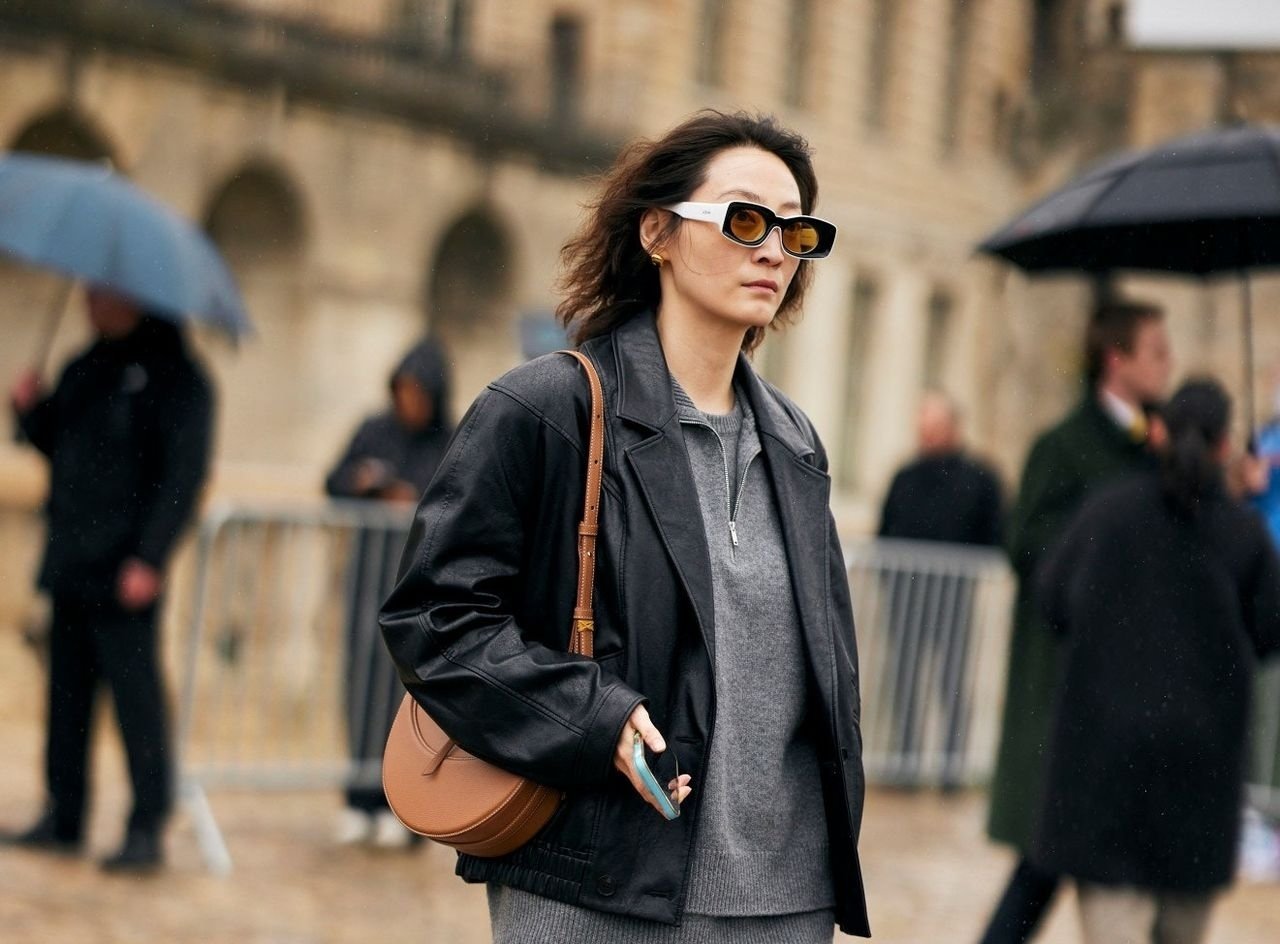
Recent street-style coverage from Paris Fashion Week has highlighted a wider mix of influences, from polished neutral outfits to romantic details, bold accessories and more experimental combinations. Other Fall 2026 trend reports point toward colourful contrasts, distinctive textures and nostalgic pieces returning in new forms.
This does not mean everyone suddenly needs to dress loudly. Rather, fashion is creating more room for people to decide what stands out to them. One person might build an entire look around a perfectly cut black jacket, while another might prefer oversized denim, graphic prints and eye-catching sneakers.
The common thread is intention. A good outfit feels considered, even when it looks relaxed. The fit, proportions, colours and accessories work together instead of competing for attention.
That shift is particularly relevant to younger fashion audiences, who often encounter style through social media, music, sport and street culture. Instead of following a single fashion rulebook, they can take inspiration from different worlds and build combinations that reflect their own personalities.
Statement Pieces Are Doing More of the Work
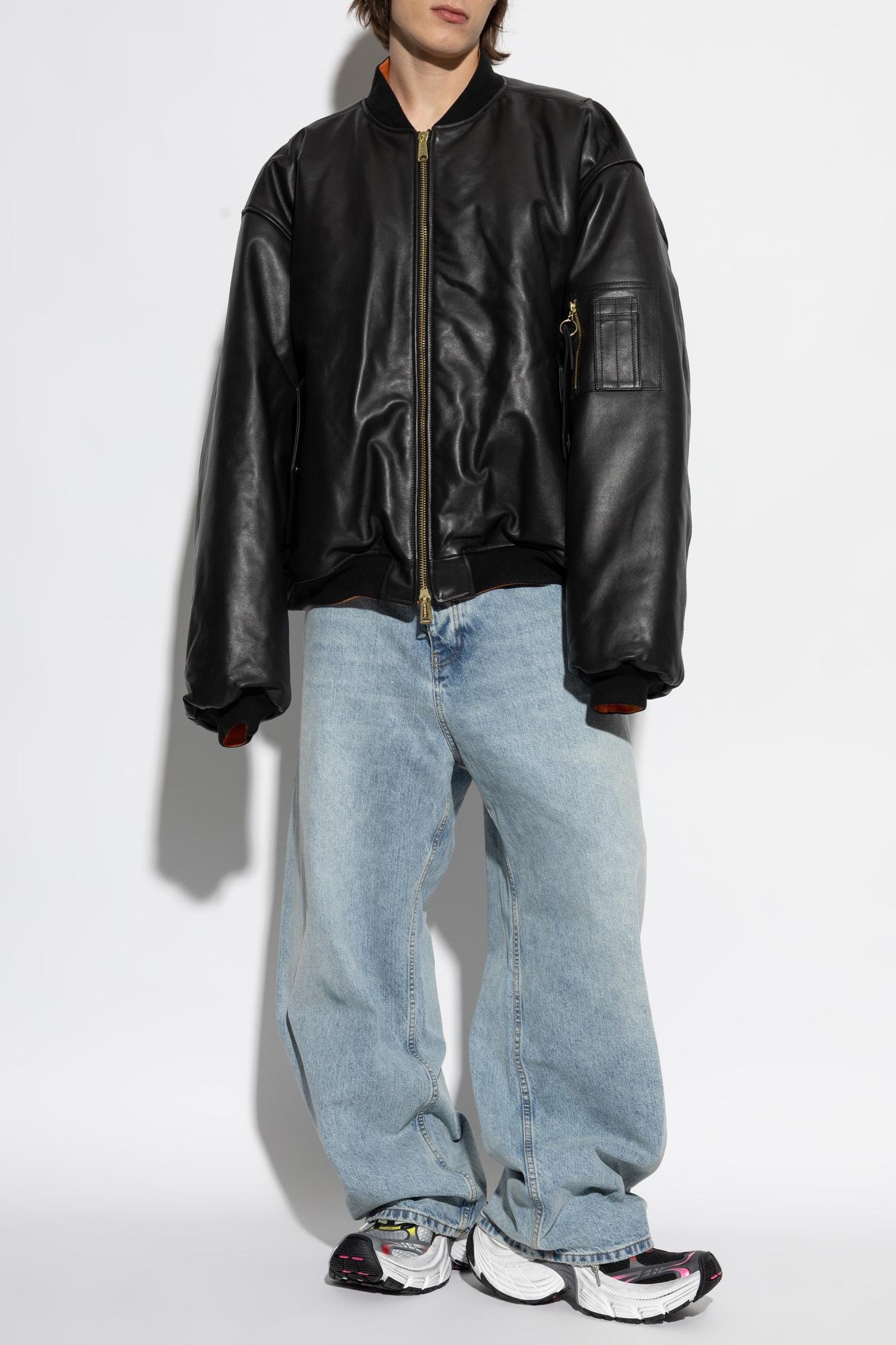
One of the easiest ways to understand this direction is through statement pieces. These are the items that give an outfit its identity: a distinctive jacket, an unusual pair of shoes, a bold bag, a textured knit or a pair of trousers with an interesting silhouette.
The advantage of a statement piece is that it does not require an entirely new wardrobe. A strong jacket can transform a basic T-shirt and jeans. Distinctive sneakers can give simple trousers a more contemporary feel. Even one accessory can make an otherwise familiar outfit look more considered.
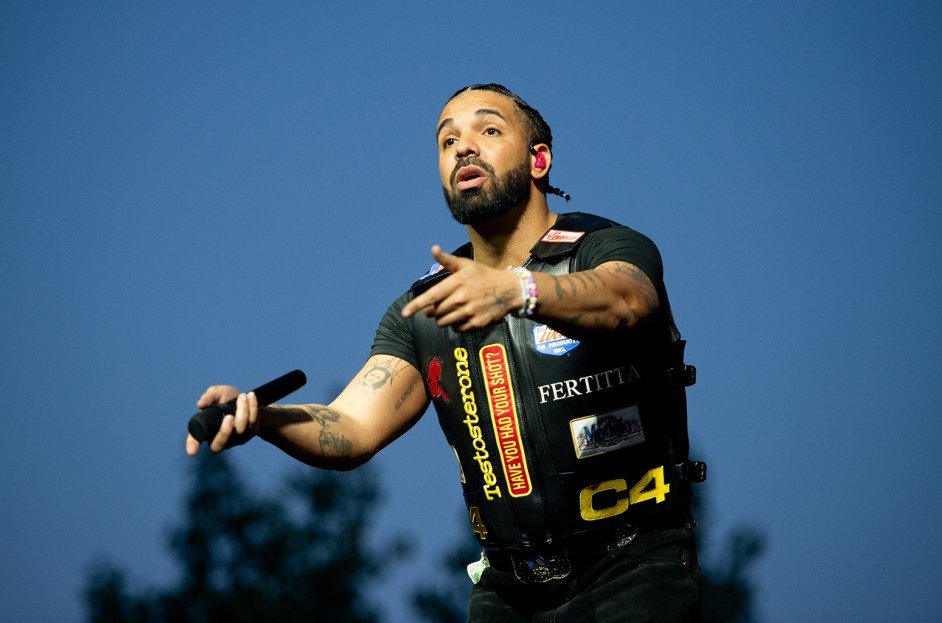
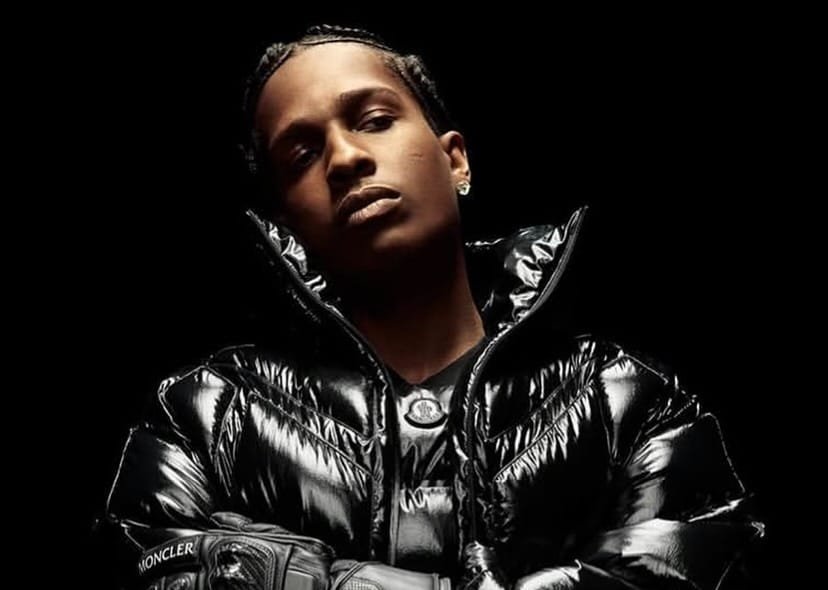
Outerwear is especially useful because it often becomes the first thing people notice. Leather jackets, suede textures, oversized bombers and structured coats can all change the mood of an outfit. The right choice depends on the climate, occasion and overall silhouette rather than simply buying whichever item is receiving the most attention online.
Footwear is another way people are adding character. Sneakers remain central to casual styling, while loafers, boots and more unusual shoe shapes can introduce a different mood. Current fashion coverage has also highlighted renewed interest in distinctive designs and footwear that makes a statement without requiring the rest of the outfit to be complicated.
The key is balance. If the jacket is oversized and visually strong, cleaner trousers and a simple top can keep the outfit grounded. If the shoes are the focal point, the rest of the look can give them room to stand out.
Streetwear Continues to Influence the Conversation
Streetwear has become one of the most influential languages in modern fashion because it brings together comfort, music, sport, design and everyday life. Its influence can be seen in oversized proportions, graphic clothing, relaxed trousers, sneaker culture and the way luxury brands approach casual dressing.
But streetwear has evolved beyond wearing a hoodie, tracksuit or expensive sneakers. The more interesting looks often come from combining relaxed pieces with items that introduce structure or contrast. Wide-leg trousers might be paired with a fitted top. A sports-inspired jacket might sit alongside tailored pants. A simple tracksuit can look more deliberate when the fit, colour and footwear are chosen carefully.
That mixture allows people to move between different style identities without being locked into one category. An outfit can borrow from athletic wear, vintage fashion and contemporary luxury while still feeling cohesive.
For South African audiences, streetwear also has a local cultural dimension. Music, football, car culture, township fashion and the creative scenes in cities such as Johannesburg, Pretoria and Cape Town all provide sources of inspiration. Local designers and independent brands can offer a perspective that international trend pages do not always capture.
The opportunity is not to copy every look coming from overseas. It is to interpret the ideas in a way that works locally, whether that means adapting silhouettes to warmer weather, supporting homegrown labels or mixing international influences with pieces that reflect personal identity.
The Return of Texture, Colour and Contrast
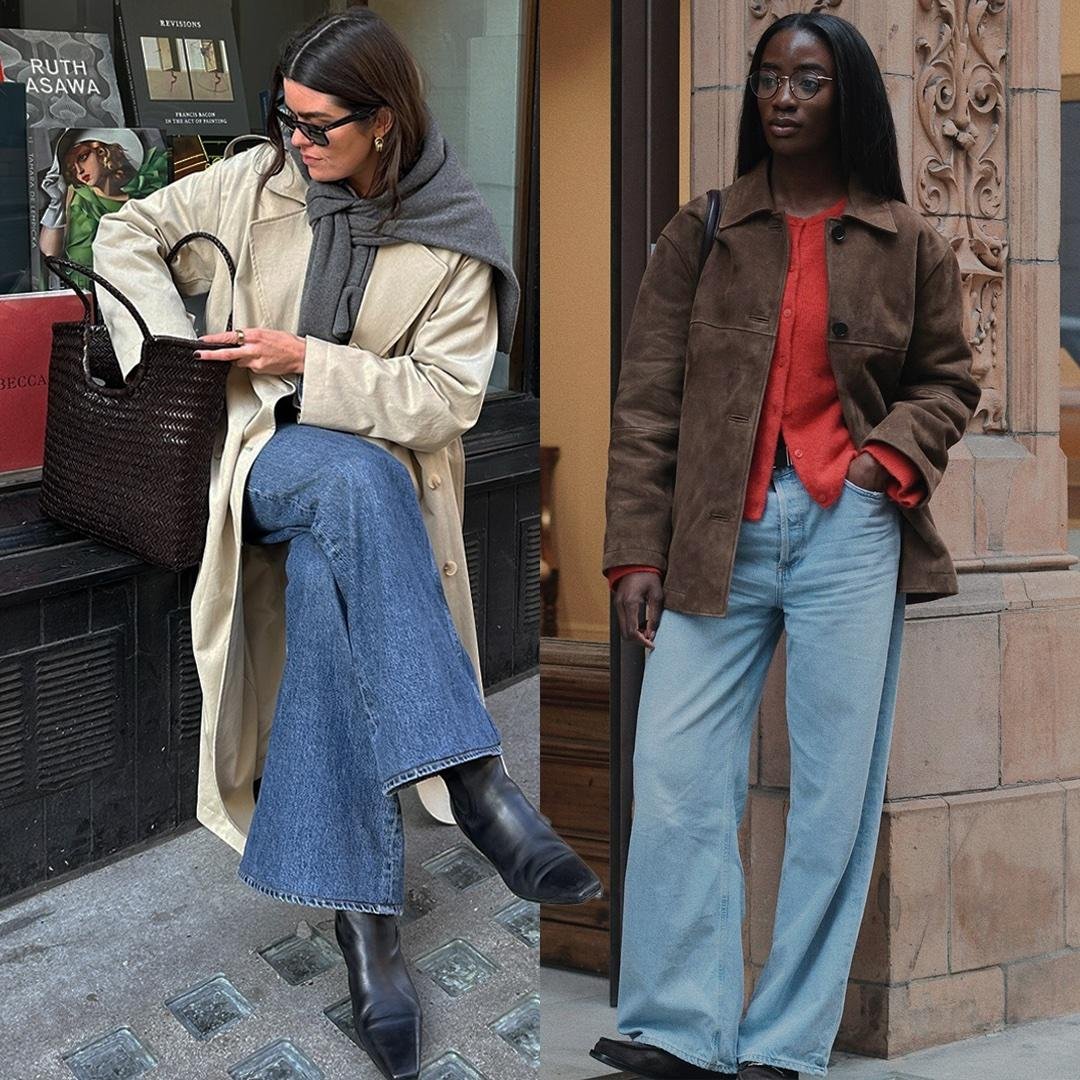
Another development worth watching is the way texture and colour can give familiar outfits a different personality. Suede, leather, knitwear, denim and heavier cotton each create a different visual effect, even when the overall colour palette remains simple.
Colour is also becoming a tool for individual expression. Rather than relying exclusively on black, white and grey, people can introduce red, blue, earthy tones or unexpected combinations through a jacket, shirt, bag or pair of shoes. The aim is not to use every colour at once, but to create a look with enough contrast to feel distinctive.
Pattern is another option. Animal prints, heritage-inspired designs and vintage references continue to appear in contemporary fashion conversations. Used carefully, a patterned item can add character to a neutral outfit without overwhelming it.
Layering can create a similar effect through shape rather than colour. A shirt beneath knitwear, a lightweight jacket over a simple top or a longer outer layer paired with relaxed trousers can add depth to an outfit. The most successful combinations consider both proportion and practicality.
There is no universal formula for making these elements work. Someone who prefers a quiet, refined wardrobe can experiment with texture, while someone drawn to maximalist fashion can combine stronger colours and more noticeable accessories. Personal style is the decision about how far to take it.
Luxury Is About More Than a Logo
Designer labels remain important in fashion, but the conversation around luxury is broader than the name printed on a garment. Cut, construction, fabric, durability and how an item fits into a wardrobe all influence whether a piece feels worth wearing repeatedly.
At the same time, visible branding and recognisable luxury accessories have not disappeared. Fashion coverage in October 2026 has pointed to renewed interest in prominent accessories and recognisable design signatures, showing that understated dressing and more visible status symbols can coexist.
This creates a useful distinction between buying something because it is fashionable and buying something because it genuinely suits you. A recognisable label may have strong design value, but it is not a substitute for good proportions or a thoughtful outfit.
Building a wardrobe around a few reliable pieces can also make experimentation easier. Well-fitting trousers, versatile tops, a jacket that works with multiple outfits and comfortable footwear provide a foundation. More expressive items can then add personality without making every purchase dependent on a short-lived trend.
For people working with smaller budgets, this approach is especially practical. Second-hand stores, local designers, vintage pieces and well-maintained basics can all contribute to a distinctive wardrobe. A strong outfit is not automatically an expensive outfit.
How to Make the Trends Work in Everyday Life
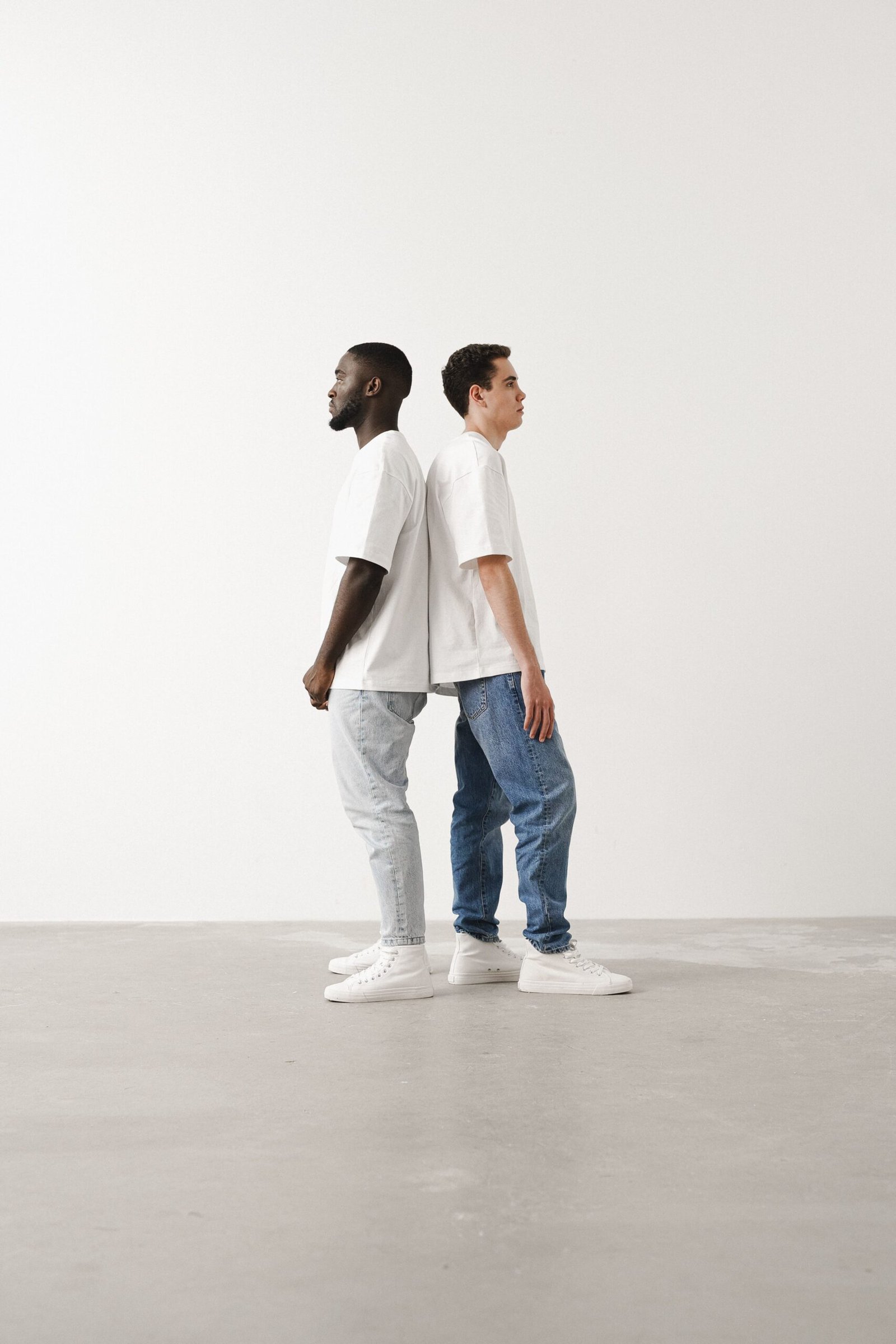
Following fashion does not have to mean rebuilding your wardrobe every season. A more useful approach is to identify which ideas fit your lifestyle and then adapt them to the clothes you already own.
Start with fit. Even basic clothing looks more deliberate when the proportions are right. Pay attention to shoulder seams, trouser length, the shape of the leg and how different layers sit together. Oversized clothing can work well, but it should look intentional rather than simply too large.
Choose one focal point. Build the outfit around a jacket, a pair of shoes, a standout shirt or an accessory. Keeping the other pieces relatively simple helps the focal point stand out and makes the combination easier to wear.
Experiment with colour gradually. If your wardrobe is mostly neutral, introduce a new shade through sneakers, a cap, a bag or a single garment. Once you understand which colours you enjoy wearing, you can experiment with stronger combinations.
Consider the setting. An outfit for a casual day out may need to look different from one intended for work, an event or a night out. The same statement item can be styled differently depending on the shoes, layers and accessories around it.
Dress for the climate. International fashion imagery can be inspiring, but heavy layers are not always practical in South African weather. Lightweight jackets, breathable fabrics and adaptable pieces can deliver a similar look without sacrificing comfort. For cooler evenings or winter conditions, additional layers can be introduced when they are genuinely useful.
Buy with intention. Before purchasing a trend-driven item, think about at least three outfits you could wear it with. If it only works in one very specific combination, consider whether it will earn its place in your wardrobe.
Fashion’s Next Move Is Individuality
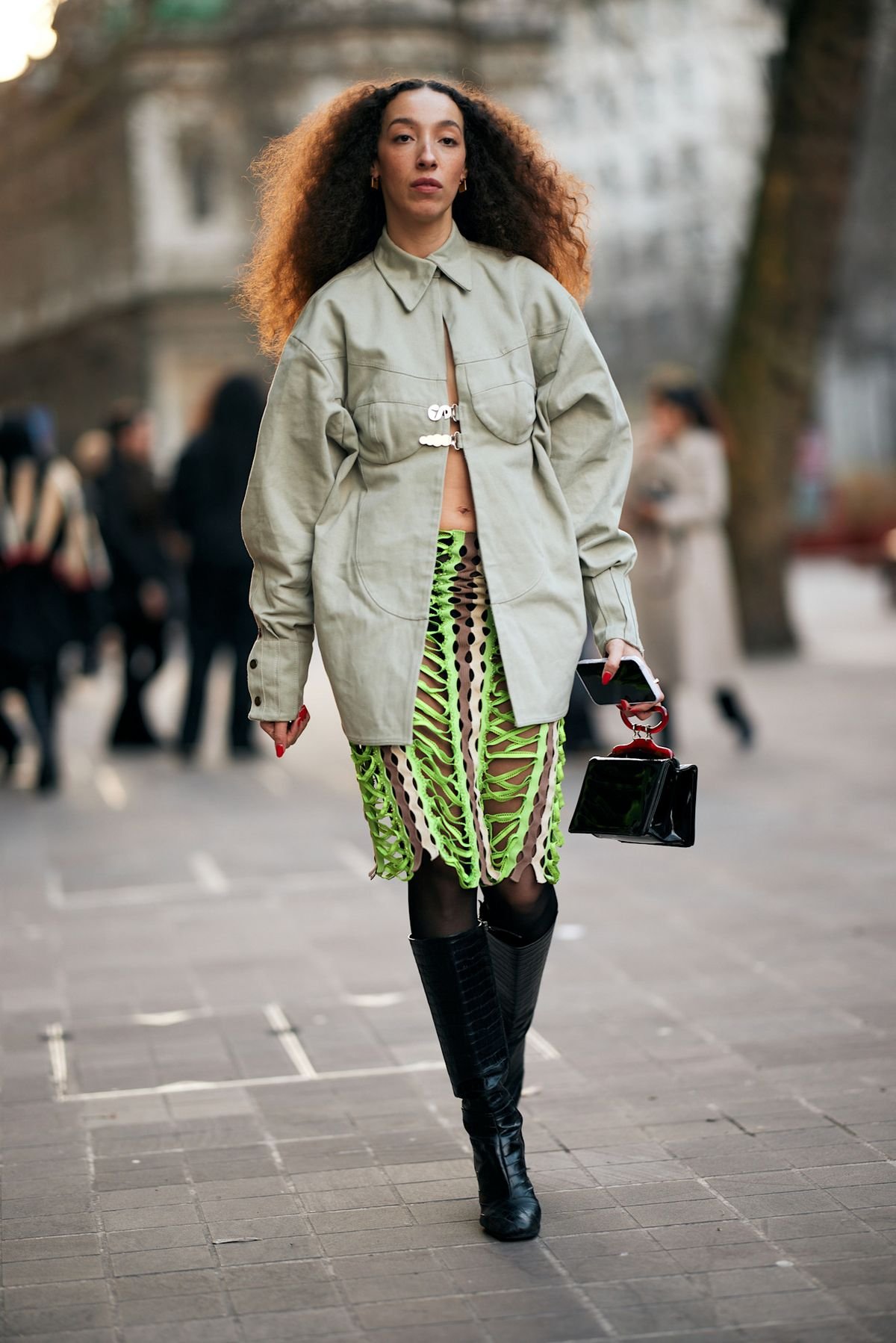
The most interesting part of fashion in 2026 is not that one specific look has replaced everything that came before it. It is that different approaches are finding space alongside each other. Minimalism still has its audience. Streetwear continues to evolve. Statement pieces, vintage references, expressive colours and distinctive accessories offer new ways to build an outfit.
That variety makes personal taste more important than following a single trend from beginning to end. A look that works for a designer, musician or fashion-week guest may not suit someone else’s lifestyle, budget or environment. Inspiration is most useful when it becomes a starting point rather than a uniform.
For Omarex Media, fashion is also part of a wider cultural conversation. What people wear can reflect the music they listen to, the communities they belong to, the places they come from and the image they want to present to the world. Style is not only about what is new; it is about how people make it their own.
The takeaway is simple: understand the trends, experiment with what interests you and build outfits around pieces that genuinely fit your personality. You do not need the most expensive wardrobe or every trending item to dress well.
Sometimes the strongest look is a carefully fitted basic outfit. Sometimes it is a bold jacket, an unexpected colour combination or a pair of shoes that changes the entire mood. What matters is knowing why the pieces work together.
Fashion keeps moving, but individuality is what gives it meaning.