

Few individual awards in football carry the same history, prestige and debate as the Ballon d’Or. For generations, it has recognised players whose performances have shaped seasons, defined eras and created unforgettable moments in the sport.
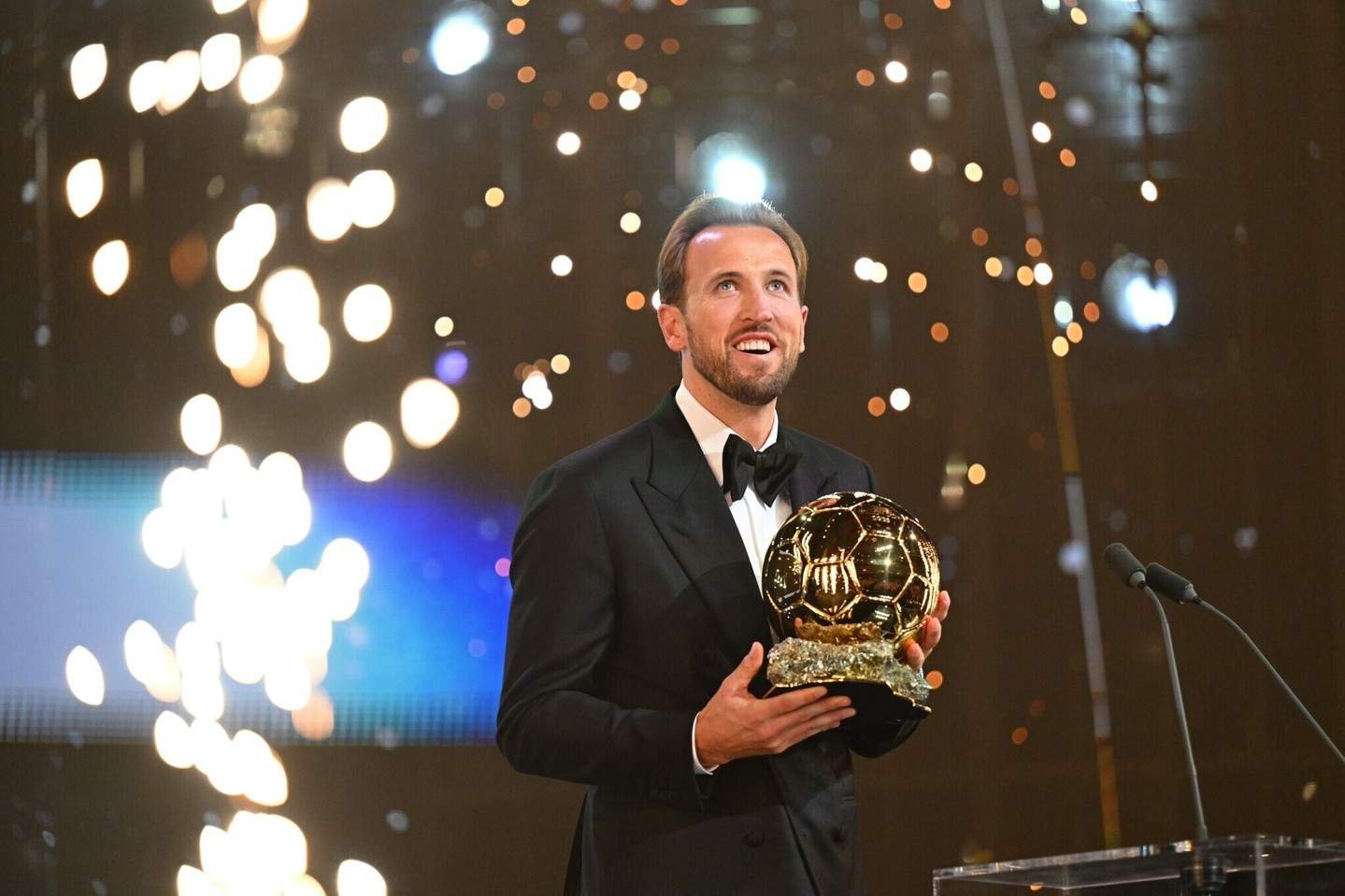
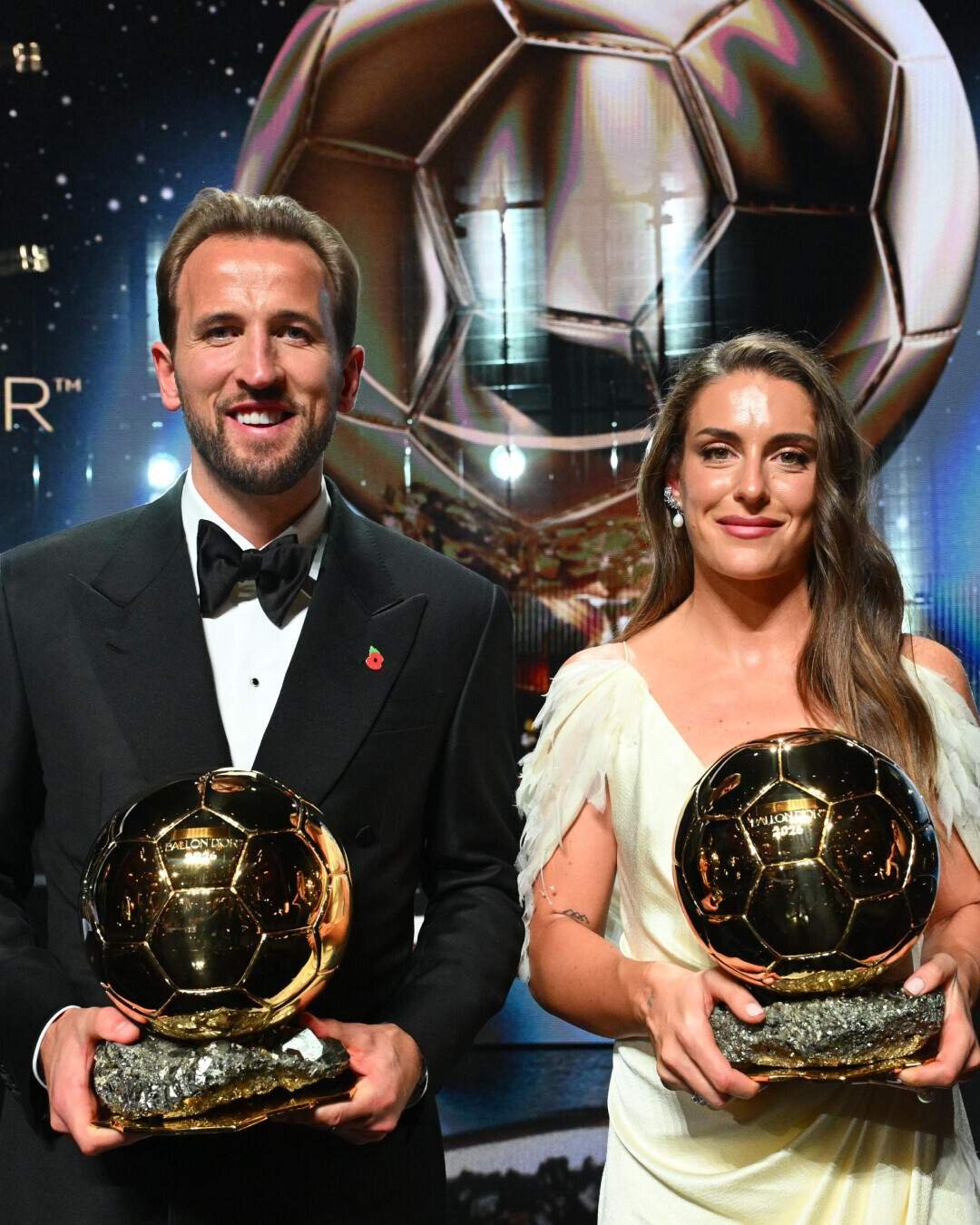
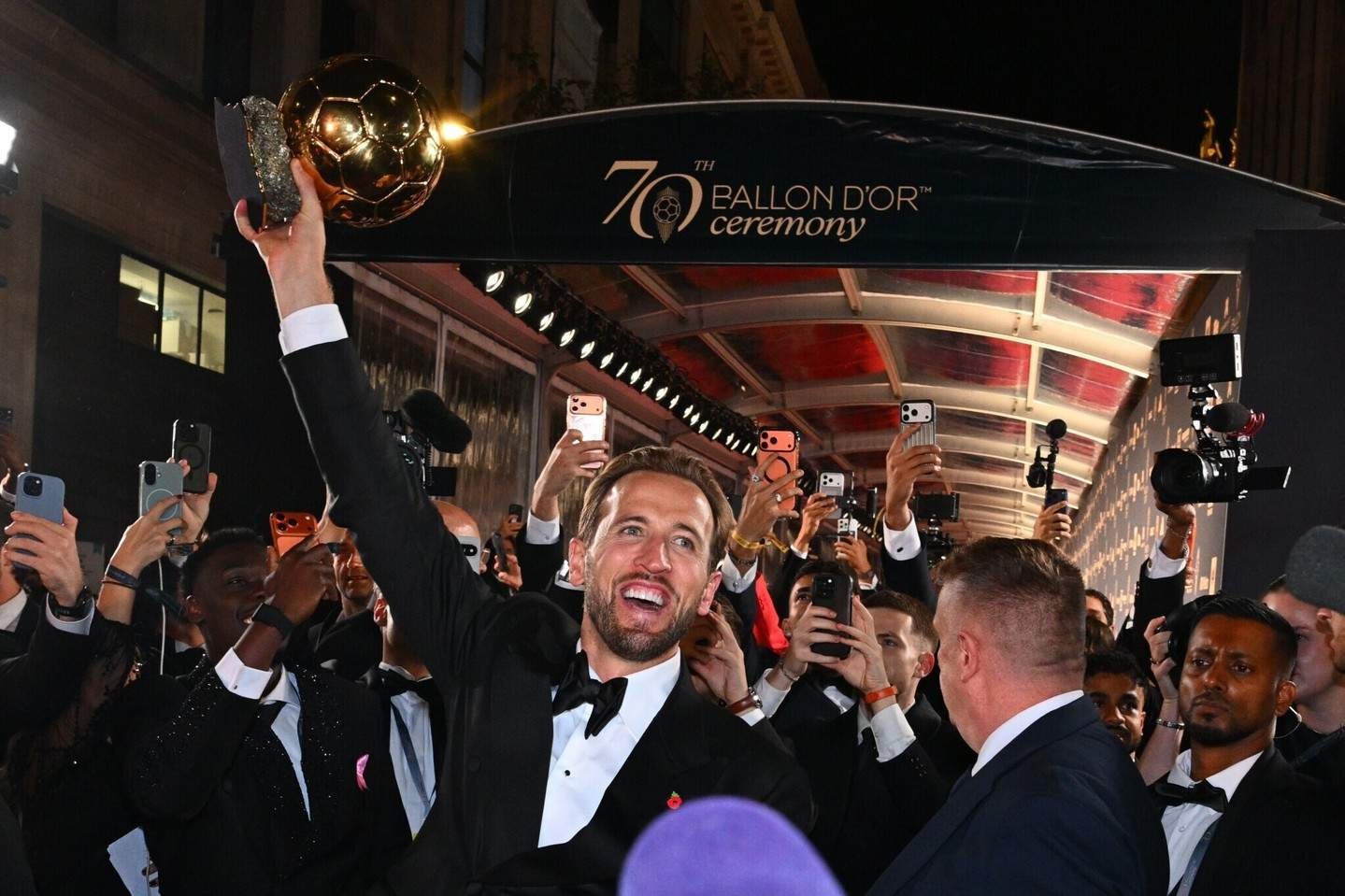
The 2026 edition has added another major chapter to that history. Harry Kane has been crowned the men’s Ballon d’Or winner, becoming the first Englishman to receive the award since Michael Owen in 2001. Alexia Putellas claimed the women’s award, while the ceremony also celebrated the 70th anniversary of football’s most recognisable individual prize.
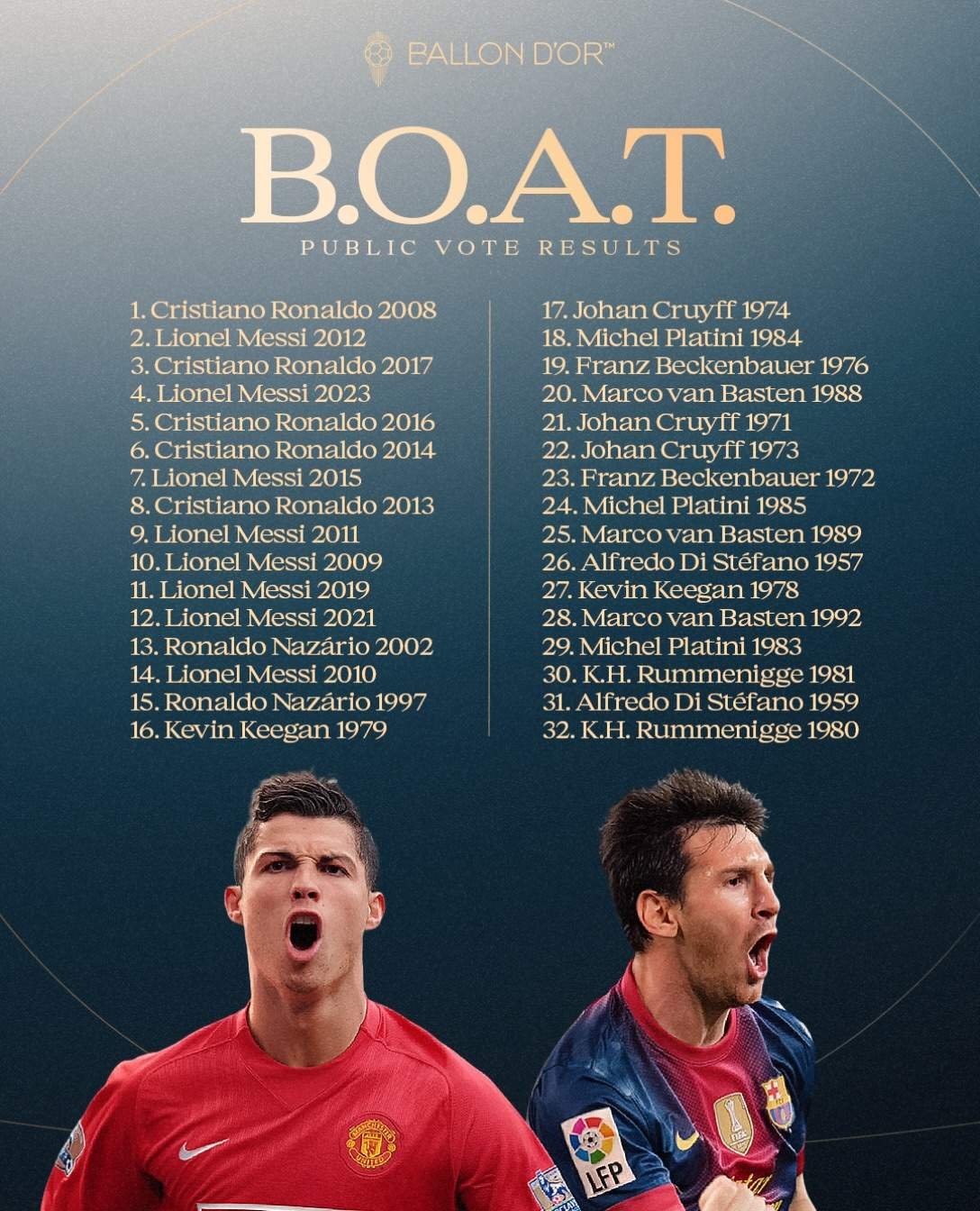
But this year’s Ballon d’Or conversation has extended beyond the latest winners. A special Ballon d’Or of All Time vote has placed Cristiano Ronaldo’s 2008 season ahead of Lionel Messi’s remarkable 2012 campaign, bringing one of football’s biggest debates back into the spotlight.
From the first winner in 1956 to the players who have collected the trophy multiple times, the Ballon d’Or is more than an annual ceremony. It is a record of football’s greatest individual achievements.
Harry Kane Finally Reaches the Top
Harry Kane’s 2026 Ballon d’Or victory represents a major moment in his career. The Bayern Munich striker finished ahead of Kylian Mbappé and Lamine Yamal after an outstanding 2025/26 campaign.
Kane scored 73 goals for club and country across all competitions during the season, helping Bayern Munich retain their Bundesliga title as part of a domestic treble. He also finished as the Bundesliga’s leading scorer for a third consecutive season and recorded 14 goals in the UEFA Champions League.
His achievement is particularly significant for English football. Before Kane, Michael Owen was the last Englishman to win the men’s award, collecting it in 2001 after a memorable year with Liverpool.
Kane’s victory also adds another name to the list of English players who have won the prize. Stanley Matthews, Bobby Charlton, Kevin Keegan and Owen had already established that connection between English football and the award. Kane now joins them.
For a striker who has spent years producing goals at the highest level, the recognition is a major individual milestone. His 2026 victory reflects not only his finishing ability but also the consistency and influence he brought to Bayern’s successful campaign.
Alexia Putellas Wins the Women’s Ballon d’Or
The women’s award also produced a major moment, with Alexia Putellas winning the 2026 Women’s Ballon d’Or. The Barcelona and London City Lionesses midfielder added another title to a collection that already includes victories in 2021 and 2022.
Putellas has become one of the defining figures of modern women’s football. Her technical quality, creativity and influence in midfield have made her one of the game’s most recognisable players.
Her latest victory also gives her three Women’s Ballon d’Or awards, placing her among the most decorated winners since the women’s prize was introduced in 2018.
Aitana Bonmatí had won the previous three editions from 2023 to 2025, making Putellas’ return to the top another important moment in the ongoing story of Spanish women’s football.
The 2026 ceremony also recognised several other names. Lamine Yamal won the men’s Young Talent of the Year award, while Vicky López received the women’s equivalent. Unai Simón and Cata Coll were recognised as the men’s and women’s goalkeepers of the year.
Barcelona were named Women’s Club of the Year, while Paris Saint-Germain received the men’s club award. The ceremony highlighted the individual and collective achievements that have shaped football across both the men’s and women’s games.
The Ballon d’Or of All Time: Ronaldo vs Messi
While the annual award celebrates the best performances of a particular season, the newly announced Ballon d’Or of All Time vote has taken the conversation in a different direction.
The special vote focused on the greatest winning seasons of previous Ballon d’Or recipients. Only players who had won the award multiple times were eligible, making it a comparison between some of the most successful individual campaigns in football history.
Cristiano Ronaldo’s 2008 season finished first, narrowly ahead of Lionel Messi’s 2012 campaign. The results have naturally attracted attention because both seasons represent extraordinary achievements from two players who dominated world football for more than a decade.
Ronaldo’s 2008 campaign was the season that helped establish him as one of the world’s leading players. At Manchester United, he scored 42 goals across all competitions, won the Premier League and Champions League, and collected his first Ballon d’Or.
Messi’s 2012 season was equally remarkable in its own way. He scored 73 goals across all competitions for Barcelona, including an extraordinary 50 goals in La Liga. His individual scoring numbers remain among the most impressive achievements in modern football.
The vote does not settle the wider debate about who is the greatest footballer of all time. Instead, it recognises two historic seasons and gives supporters another reason to compare the achievements of two players whose careers have shaped an entire generation.
Lionel Messi Still Holds the All-Time Record
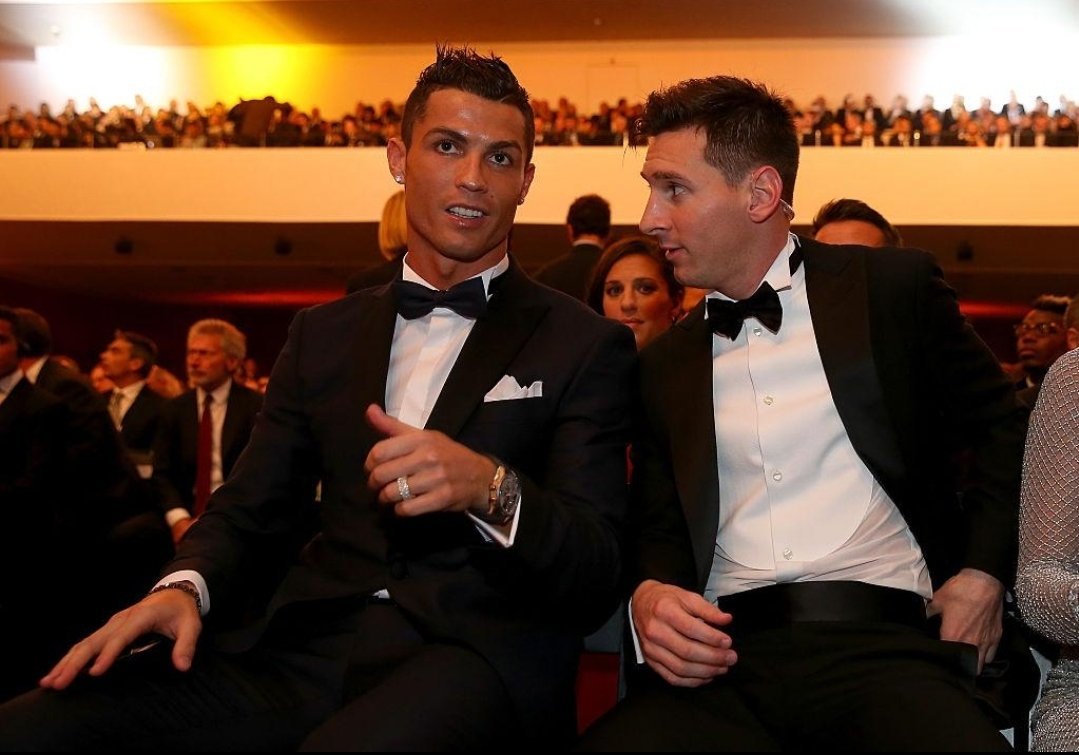
Although Ronaldo’s 2008 season topped the special vote, Lionel Messi remains the record holder for the most men’s Ballon d’Or victories.
The Argentine has won the award eight times: 2009, 2010, 2011, 2012, 2015, 2019, 2021 and 2023. His record reflects an extraordinary period of consistency, during which he combined individual brilliance with major achievements for Barcelona, Paris Saint-Germain and Argentina.
Cristiano Ronaldo follows with five victories, collected in 2008, 2013, 2014, 2016 and 2017. His achievements across Manchester United and Real Madrid helped define one of the most competitive periods in the history of the award.
Behind them, Johan Cruyff, Michel Platini and Marco van Basten have each won the men’s prize three times. Their achievements represent different eras of football, but all three left a lasting mark on the game.
The multiple-winner list also includes legends such as Alfredo Di Stéfano, Franz Beckenbauer, Kevin Keegan, Karl-Heinz Rummenigge and Ronaldo Nazário, each of whom won the award twice.
These records show just how difficult it is to win the Ballon d’Or once, let alone return to the top several times. The award is shaped by individual performance, team success and the competition a player faces during a particular season.
From Stanley Matthews to Harry Kane: 70 Years of History
The Ballon d’Or was introduced by France Football in 1956. Its first winner was Sir Stanley Matthews, who received the inaugural award after an outstanding career with Blackpool and England.
In its early years, the award was restricted to European players playing for European clubs. That restriction meant many exceptional footballers from other parts of the world were not eligible, even if their performances deserved recognition.
The rules later expanded. In 1995, the award became open to players of any nationality playing for European clubs. In 2007, eligibility was extended globally, allowing footballers from any country and any club around the world to compete.
Over the decades, the trophy has passed through several football generations. Alfredo Di Stéfano, Eusébio, George Best, Johan Cruyff, Franz Beckenbauer, Michel Platini, Ronaldo Nazário, Ronaldinho, Kaká, Messi and Ronaldo are among the names that have helped define its history.
One particularly important moment came in 1963, when Lev Yashin became the first and only goalkeeper to win the men’s Ballon d’Or. His achievement remains unique, highlighting how difficult it has historically been for goalkeepers to receive the same individual recognition as attacking players.
The women’s Ballon d’Or was introduced in 2018, expanding the award’s recognition of excellence across the sport. Ada Hegerberg became its first winner, followed by Megan Rapinoe, Putellas and Bonmatí among the players who have shaped its history.
The Most Decorated Men’s Ballon d’Or Winners
The history of the men’s award is filled with legendary players, but a small group stand out because of the number of times they have won it.
- 8 wins — Lionel Messi: 2009, 2010, 2011, 2012, 2015, 2019, 2021 and 2023.
- 5 wins — Cristiano Ronaldo: 2008, 2013, 2014, 2016 and 2017.
- 3 wins — Johan Cruyff: 1971, 1973 and 1974.
- 3 wins — Michel Platini: 1983, 1984 and 1985.
- 3 wins — Marco van Basten: 1988, 1989 and 1992.
- 2 wins — Alfredo Di Stéfano: 1957 and 1959.
- 2 wins — Franz Beckenbauer: 1972 and 1976.
- 2 wins — Kevin Keegan: 1978 and 1979.
- 2 wins — Karl-Heinz Rummenigge: 1980 and 1981.
- 2 wins — Ronaldo Nazário: 1997 and 2002.
The list reflects the players who managed to reach the highest individual level more than once. Messi and Ronaldo’s numbers stand out, but the achievements of the earlier generations remain an important part of the award’s identity.
Why the Ballon d’Or Still Matters
Football is a team sport, and individual awards can never fully capture everything that happens across a season. A player can deliver extraordinary performances without winning major trophies, while another can benefit from being part of a successful team.
That is one reason the Ballon d’Or continues to generate debate. Supporters, journalists and former players often disagree about what should matter most: goals, assists, consistency, trophies, influence or performances in the biggest matches.
The award has also evolved with football itself. The introduction of the women’s prize, changes to eligibility and the addition of other honours have helped make the ceremony a broader celebration of the game.
Its history also gives every new winner a place in a much larger story. Harry Kane’s name now sits alongside the legends who came before him, while Alexia Putellas adds another achievement to her own remarkable career.
A Trophy That Connects Football’s Past, Present and Future
The 2026 Ballon d’Or has given football another historic winner in Harry Kane, recognised Alexia Putellas’ continued excellence and celebrated seven decades since Stanley Matthews became the first recipient.
At the same time, the Ballon d’Or of All Time vote has reopened the conversation around two of the greatest individual seasons the sport has seen. Ronaldo’s 2008 campaign finishing ahead of Messi’s 2012 season is another chapter in a rivalry that has influenced football for years.
But the wider story goes beyond two names. From Matthews and Yashin to Cruyff, Platini, Messi, Ronaldo and Kane, the award has connected different generations through one shared recognition of exceptional football.
New players will continue to chase the trophy, new debates will emerge, and future seasons will add more names to the record books. That is what makes the Ballon d’Or so fascinating: every winner becomes part of football history, while the next generation is already working towards its own moment.


