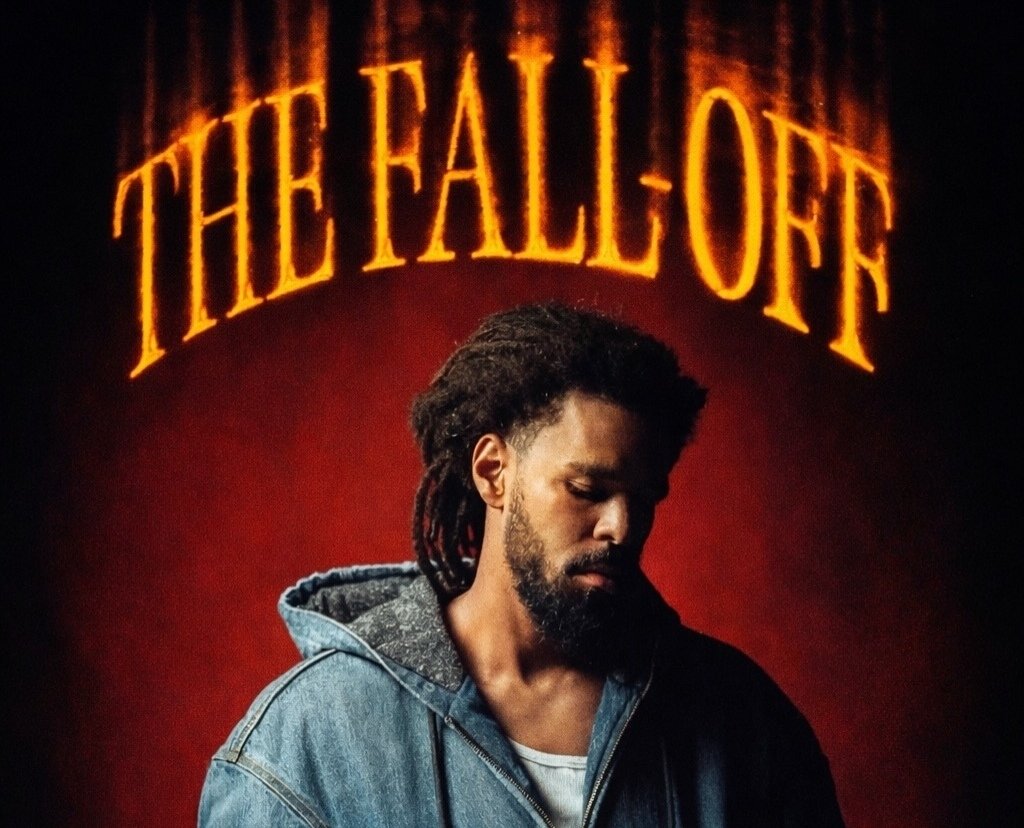
The end is finally here. After years of anticipation, speculation, and near-mythical status in hip-hop culture, J. Cole has officially released The Fall Off. The long-awaited project arrives not just as an album, but as a statement — a carefully constructed final chapter in one of rap’s most introspective and influential careers.
Framed as a 24-track double album, The Fall Off feels deliberate in both scale and intent. This is not a rushed goodbye or a trend-chasing release. Instead, it is a reflective body of work that circles back to Cole’s origins while confronting the weight of legacy, growth, and departure.
From The Come Up to The Fall Off, the journey has come full circle.
A Title Years in the Making
The Fall Off is a title that has lived in J. Cole’s universe for over a decade. First mentioned in lyrics, interviews, and cryptic teases, it became symbolic of an ending — not a collapse, but a conscious step away from the spotlight.
Rather than framing his exit as defeat, Cole reclaims the idea of “falling off” as evolution. The album challenges the industry’s obsession with longevity metrics and chart placement, replacing them with reflection, intention, and creative ownership.
In doing so, Cole positions The Fall Off not as a retirement announcement, but as a controlled conclusion on his own terms.

Cover Art That Speaks Volumes
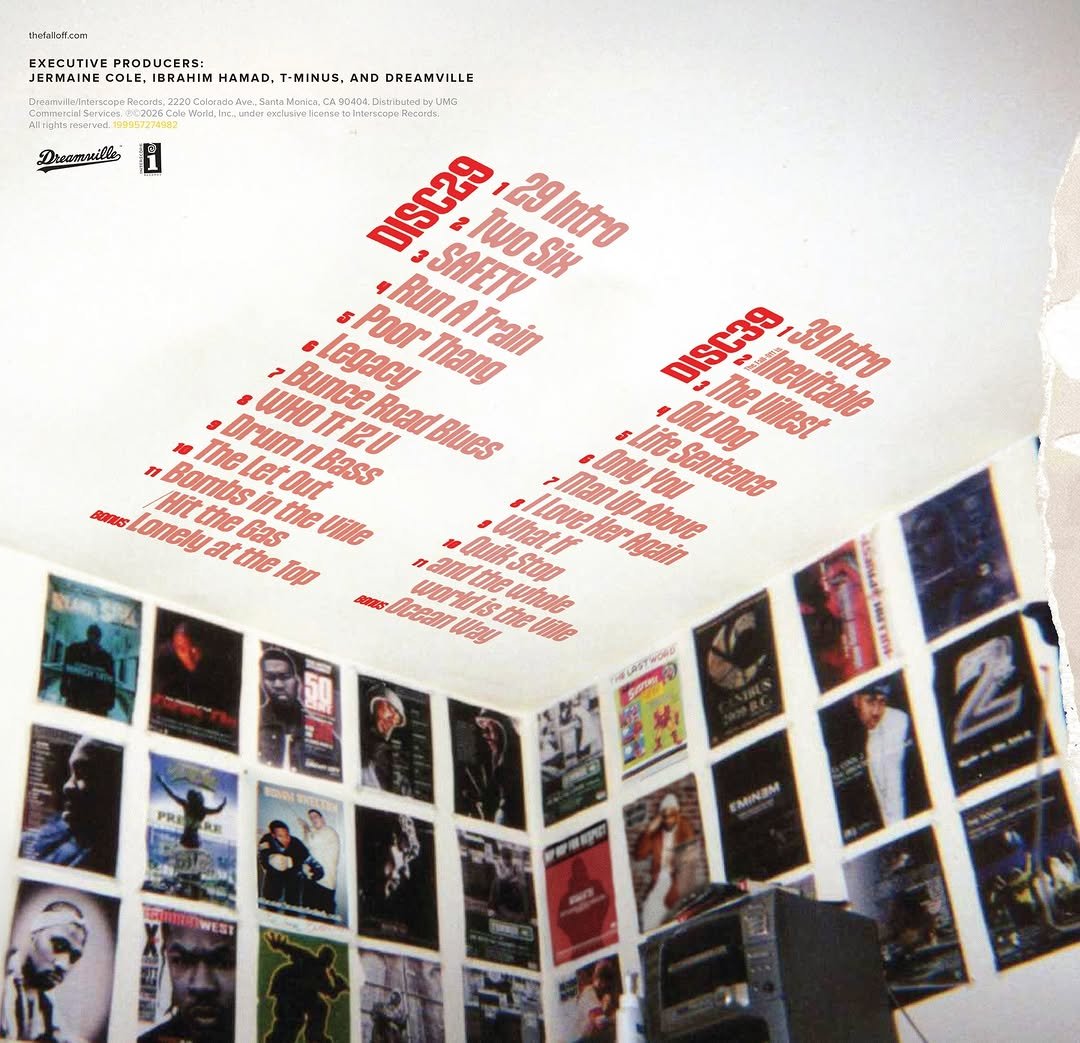
The album’s cover art is intentionally understated, yet deeply symbolic. At the center sits a simple bedroom desk, spotlighting a beat machine — the very foundation of Cole’s early creative years.
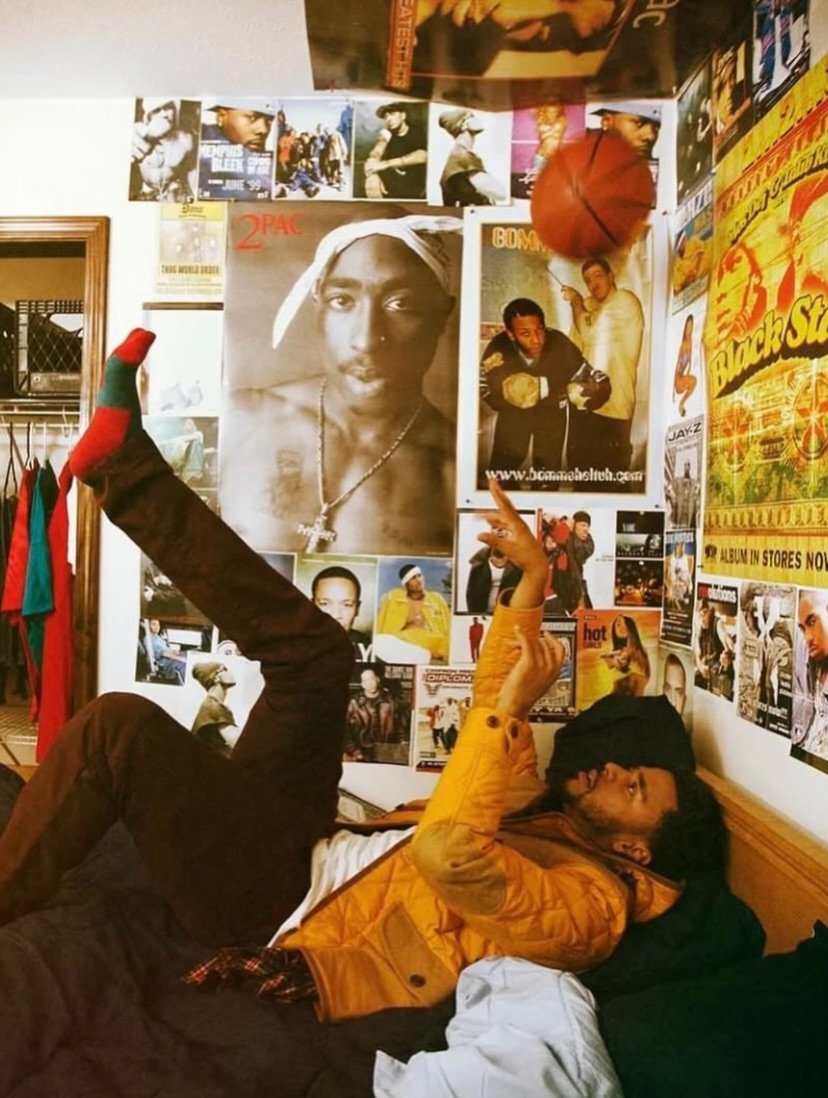
Surrounding the scene are visual callbacks to his upbringing in Fayetteville, North Carolina. Vintage hip-hop posters and classic albums line the walls, quietly acknowledging the influences that shaped his sound and mindset.
It’s a visual reminder that before platinum plaques and festival headlining, there was a kid making beats in a room filled with dreams, doubts, and determination.
A Double Album by Design
Choosing to release The Fall Off as a double album is a bold creative decision — one that reflects both confidence and responsibility. With 24 tracks, Cole allows himself the space to explore multiple eras, emotions, and perspectives without rushing resolution.
The structure mirrors the arc of his career: hunger, growth, reflection, and acceptance. Rather than packing the project with filler, the extended tracklist feels purposeful, giving room for storytelling, lyrical depth, and sonic experimentation.
This is an album meant to be lived with, not skimmed.
Fayetteville as the Emotional Core
Much like 2014 Forest Hills Drive, The Fall Off draws heavily from Cole’s roots. Fayetteville is not treated as a backdrop, but as an emotional anchor — a place that shaped his worldview, work ethic, and artistic discipline.
Across the album, Cole revisits the realities of his upbringing with maturity rather than nostalgia. The stories feel less about proving something and more about understanding it.
It’s the sound of an artist revisiting his past not to escape the present, but to make peace with it.
From Hunger to Perspective
Early J. Cole was driven by hunger — the need to be heard, respected, and validated. On The Fall Off, that hunger has transformed into perspective.
The urgency is still there, but it is tempered by experience. Cole reflects on fame, responsibility, fatherhood, and the pressure of being positioned as a voice of reason in a chaotic industry.
This evolution is what gives the album its emotional weight. It feels honest, unforced, and deeply human.
A Double Album Built on Reflection, Not Hype
The Fall Off arrives as a 24-track double album, but its ambition isn’t rooted in excess. Instead, the project feels intentionally reflective — structured to mirror the emotional and creative phases that have defined J. Cole’s journey over the past decade and a half.
Rather than chasing current trends or commercial shortcuts, Cole leans into storytelling, restraint, and self-awareness. The sequencing moves deliberately, allowing space for introspection, social commentary, and personal closure. It’s not an album designed to be rushed — it rewards patience and repeat listens.
This approach reinforces what fans have long respected about Cole: his refusal to compromise artistic identity for momentary relevance.
Soundscapes That Echo His Entire Career
Sonically, The Fall Off draws from multiple eras of J. Cole’s catalog. Subtle boom-bap influences sit alongside stripped-back soul samples, live instrumentation, and minimalist drum patterns. The production never overwhelms the message — it supports it.
There are moments that recall the hunger of The Come Up, the polish of 2014 Forest Hills Drive, and the urgency of The Off-Season. Rather than sounding scattered, these elements feel intentional, almost archival — as if Cole is revisiting past versions of himself one final time.
Longtime listeners will recognize thematic callbacks woven subtly throughout the album, reinforcing the idea that this project is meant to close a chapter, not open a new one.
Lyrics Focused on Legacy, Growth, and Accountability
Lyrically, J. Cole is at his most transparent. He reflects on fame, pressure, fatherhood, regret, and responsibility — not from a place of bitterness, but from maturity. The bravado that once defined his early grind is replaced by calm confidence and measured honesty.
Rather than positioning himself above the culture, Cole speaks as someone deeply embedded within it. He questions success, critiques the industry, and acknowledges his own flaws, creating moments that feel conversational rather than performative.
This vulnerability is what gives The Fall Off its emotional weight. It doesn’t chase viral moments — it builds meaning over time.
Dreamville’s Philosophy Reflected in the Music
Although The Fall Off stands firmly as a solo statement, the values that define Dreamville are deeply embedded in the project. Independence, collaboration, and artistic freedom remain central themes, even when Cole stands alone on the microphone.
Over the years, Dreamville has become more than a label — it represents a mindset that prioritizes longevity over clout. This album feels like the purest expression of that philosophy, reinforcing Cole’s role not just as an artist, but as a cultural architect.
It’s a reminder that success doesn’t always need spectacle — sometimes it’s built quietly, over time.

A Fanbase Grown Alongside the Artist
One of the most powerful aspects of The Fall Off is how deeply it resonates with Cole’s audience. Many fans have grown up alongside his music, using his albums as markers for different phases of their own lives.
This final project feels designed for that shared journey. It doesn’t attempt to reintroduce J. Cole — it speaks directly to those who already understand his evolution, struggles, and consistency.
That connection is rare in modern hip-hop, and it’s a major reason why The Fall Off lands with such emotional impact.
Streaming, First Impressions, and Cultural Impact
Since its release, The Fall Off has sparked widespread discussion across social platforms. Early reactions highlight the album’s depth, restraint, and replay value — qualities that often age better than immediate chart dominance.
Rather than flooding timelines with shock moments, the album has inspired thoughtful breakdowns, lyric analysis, and long-form discussion — a testament to its substance.
In an era driven by speed and algorithms, Cole’s final album slows the conversation down — and that in itself feels revolutionary.
Listen: J. Cole – The Fall Off (Spotify Preview)
The Meaning of “The Fall Off”
The title The Fall Off has followed J. Cole for years — once used by critics as a hypothetical future, now reclaimed as a powerful statement of control. Instead of avoiding the phrase, Cole owns it, redefining what decline really means in a creative life.
In this context, “falling off” isn’t failure — it’s release. It’s stepping away on your own terms, with clarity and purpose, rather than being pushed aside by trends.
That perspective reframes the album as not an ending, but a completion.
A Farewell That Feels Earned
The Fall Off doesn’t rely on nostalgia alone — it earns its emotional weight through honesty and consistency. J. Cole leaves the game not chasing applause, but standing firmly in the identity he built over years of discipline and intention.
Whether this truly marks the end of his solo album run or simply the close of one era, the project stands as a powerful reminder of what longevity looks like when artistry comes first.
From The Come Up to The Fall Off, J. Cole completes the circle — on his own terms, with his voice intact, and his legacy secured.