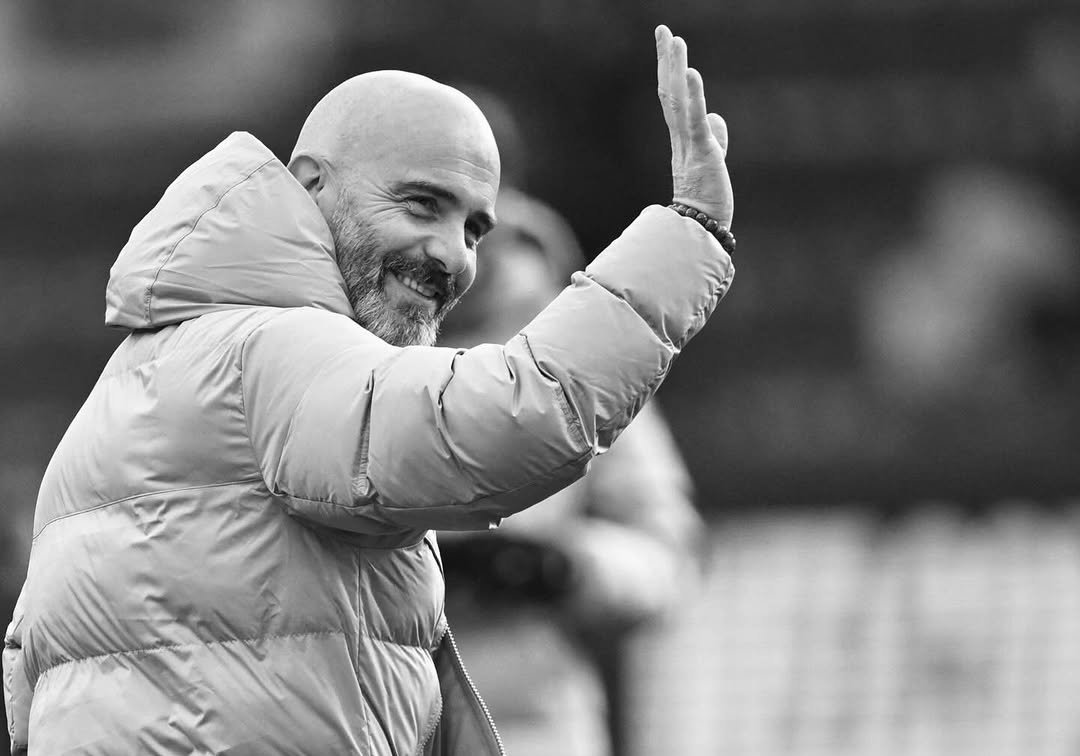
Enzo Maresca has officially left Chelsea Football Club with immediate effect, bringing a sudden and dramatic end to his tenure at Stamford Bridge. The Italian manager will not be on the touchline for Chelsea’s upcoming clash against Manchester City, with the club confirming that both parties have agreed to part ways.
While an official club statement is still expected, multiple sources close to the situation have confirmed that the decision follows serious internal tension over the last 24 to 48 hours, with the relationship between Maresca and the club’s hierarchy described as completely broken.
The development marks another turbulent chapter in Chelsea’s modern era, as the club once again faces a managerial reset during a critical phase of the season.
A Sudden Exit With Immediate Consequences
Maresca’s departure comes at a time when Chelsea were still navigating tactical identity, squad balance, and long-term planning under his leadership. Despite public messaging around stability and project-building, behind-the-scenes dynamics appear to have deteriorated rapidly.
Sources indicate that discussions escalated quickly over the past two days, leading to an irreparable breakdown in trust. The speed of the separation suggests that neither side saw a viable path forward, even in the short term.
The fact that Maresca will miss such a high-profile fixture against Manchester City underlines the urgency and severity of the situation.
Chelsea Move Swiftly Behind the Scenes
Chelsea are already understood to be moving fast to appoint a new manager. Sources suggest the process is well underway and that the club does not intend to allow uncertainty to linger.
Given Chelsea’s recent history, the ownership group is keen to restore direction and control, particularly with crucial fixtures and long-term objectives still in play.
Whether the club opts for an interim solution or a permanent appointment remains unclear, but indications are that the decision timeline will be short.
Why the Relationship Broke Down
While full details are yet to emerge, tensions are believed to have centered around authority, squad management, and strategic alignment. Maresca arrived with a clear footballing philosophy, but execution and internal cohesion appear to have become increasingly strained.
Chelsea’s structure places heavy emphasis on collaboration between coaching staff, recruitment teams, and executives. Any disconnect within that framework can quickly escalate, particularly under pressure.
In this case, sources suggest that disagreements moved beyond manageable differences and into fundamental conflict.
What This Means for Chelsea Going Forward
Maresca’s exit leaves Chelsea at another crossroads. The club’s ambitions remain high, but continuity has once again been disrupted.
Players now face another transition, with tactical plans likely to shift depending on the next appointment. Stability, which has been elusive in recent seasons, becomes an even greater priority.
For supporters, the announcement raises familiar questions about long-term vision, leadership structure, and whether lessons from previous managerial cycles have truly been learned.
Immediate Impact Ahead of Manchester City Clash
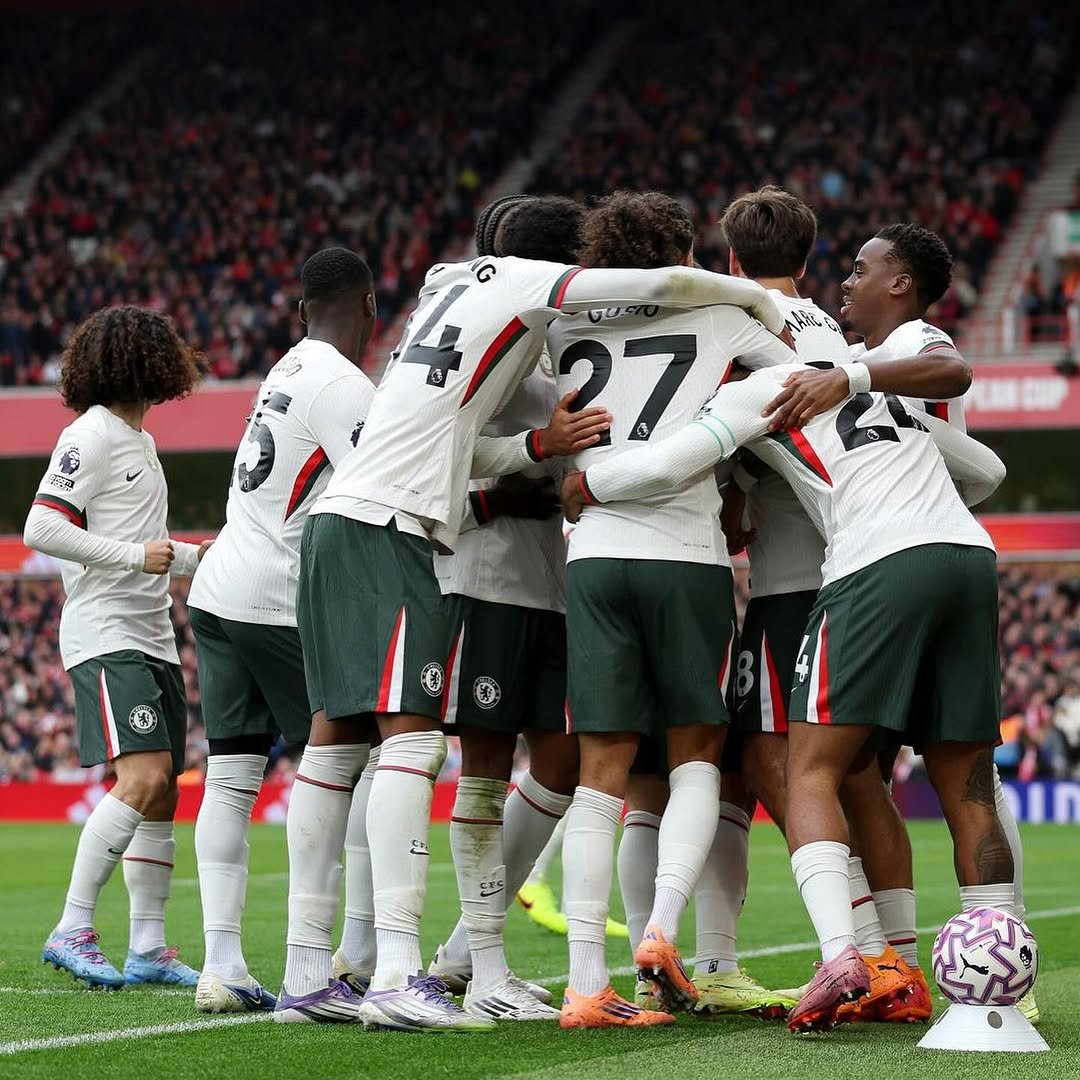
The timing of Enzo Maresca’s departure could hardly be more disruptive. With Chelsea set to face Manchester City, one of the most tactically demanding opponents in world football, the club now enters the fixture without its head coach.
Preparation for a match of this magnitude normally relies on detailed planning, structured sessions, and clear tactical messaging. Instead, Chelsea must rely on interim staff to stabilize the situation and maintain focus inside the dressing room.
Against a Pep Guardiola–led City side known for exploiting uncertainty and defensive disorganization, any lapse in cohesion could prove costly.
The Dressing Room Response
Whenever a manager exits with immediate effect, attention quickly turns to the players. Chelsea’s squad, already one of the youngest and most transitional in the Premier League, now faces yet another period of adjustment.
Sources suggest reactions inside the dressing room have been mixed. While some players reportedly backed Maresca’s tactical ideas, others struggled to find consistency within his system. Such divides are not uncommon during rebuilding phases, but they often accelerate decision-making at executive level.
In the short term, leadership within the squad becomes crucial. Senior players will be expected to maintain professionalism and shield younger teammates from uncertainty.
Assessing Maresca’s Chelsea Spell
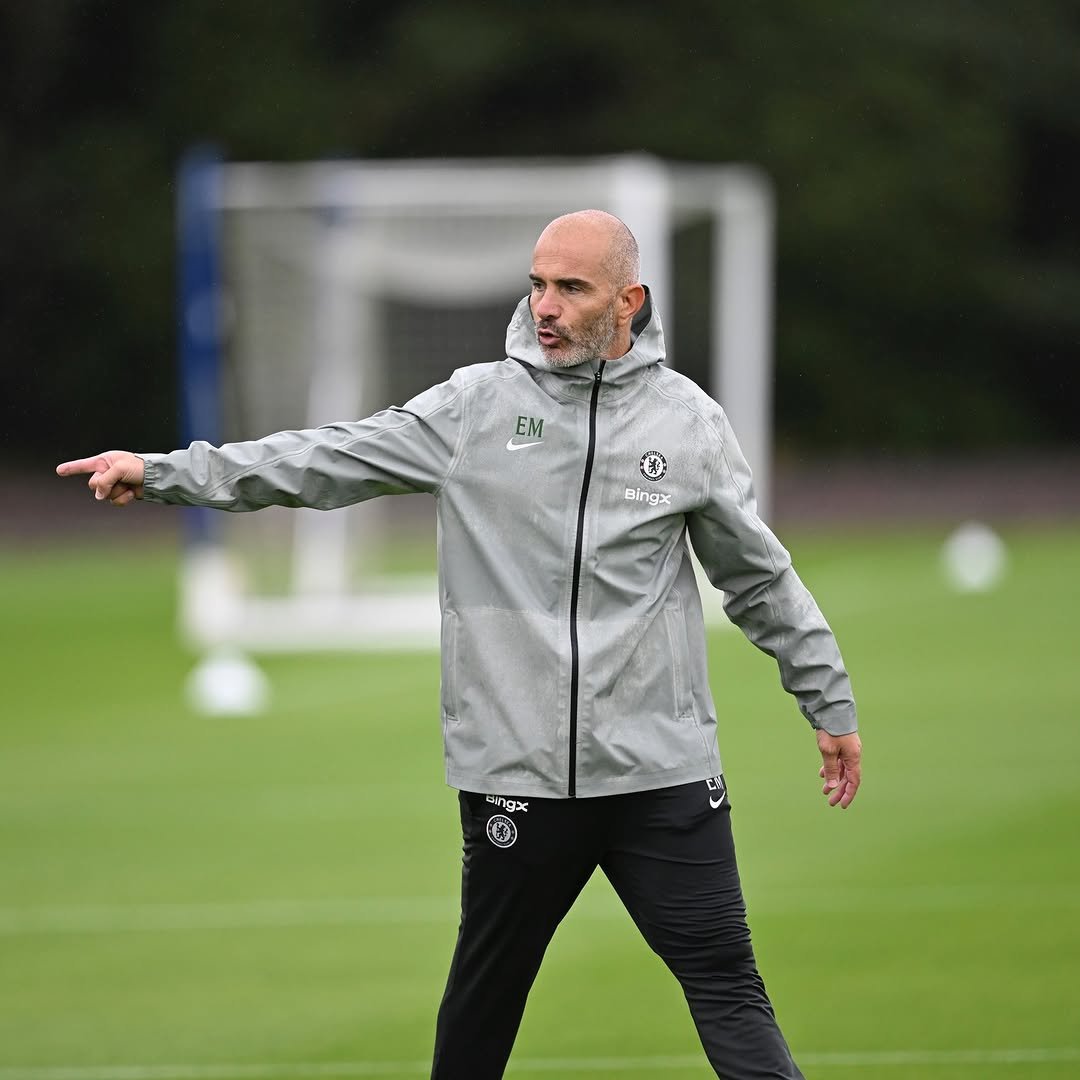
Enzo Maresca arrived at Chelsea with a reputation as a progressive coach, admired for his positional principles and structured build-up play. His appointment was viewed as another step toward modernizing the club’s football identity.
There were moments where his ideas showed promise, particularly in controlled phases of possession and tactical discipline against certain opponents. However, inconsistency in results and performances made it difficult to build long-term momentum.
Ultimately, Chelsea’s environment demands rapid alignment between vision and execution. When progress stalls, patience tends to wear thin.
Chelsea’s Ongoing Search for Stability
Maresca’s exit once again highlights Chelsea’s ongoing struggle to establish managerial continuity. Frequent changes at the top have made it difficult to embed a long-term footballing philosophy.
While the club continues to invest heavily in young talent, sustained development often relies on consistent coaching leadership. Without it, progress risks becoming fragmented.
This latest reset places added pressure on Chelsea’s next appointment to deliver clarity, authority, and trust across all levels of the club.
What Comes Next
Chelsea’s priority now is to restore structure and confidence. Whether through an interim appointment or a swift permanent hire, the club is expected to act decisively.
Supporters will be watching closely, not only to see who takes charge next, but how the club communicates its direction moving forward. Transparency and unity will be essential in rebuilding trust.
For Enzo Maresca, the chapter at Stamford Bridge closes abruptly, but his reputation as a coach remains intact. For Chelsea, the challenge is familiar — turning upheaval into opportunity.
Conclusion
Enzo Maresca’s immediate departure underscores the high-pressure reality of managing one of football’s most demanding clubs. Chelsea now face another defining moment, one that will shape both their short-term results and long-term identity.
As the search for a new manager accelerates, the coming days will be critical. How Chelsea respond to this disruption may determine whether the cycle of instability continues — or finally gives way to sustained progress.